
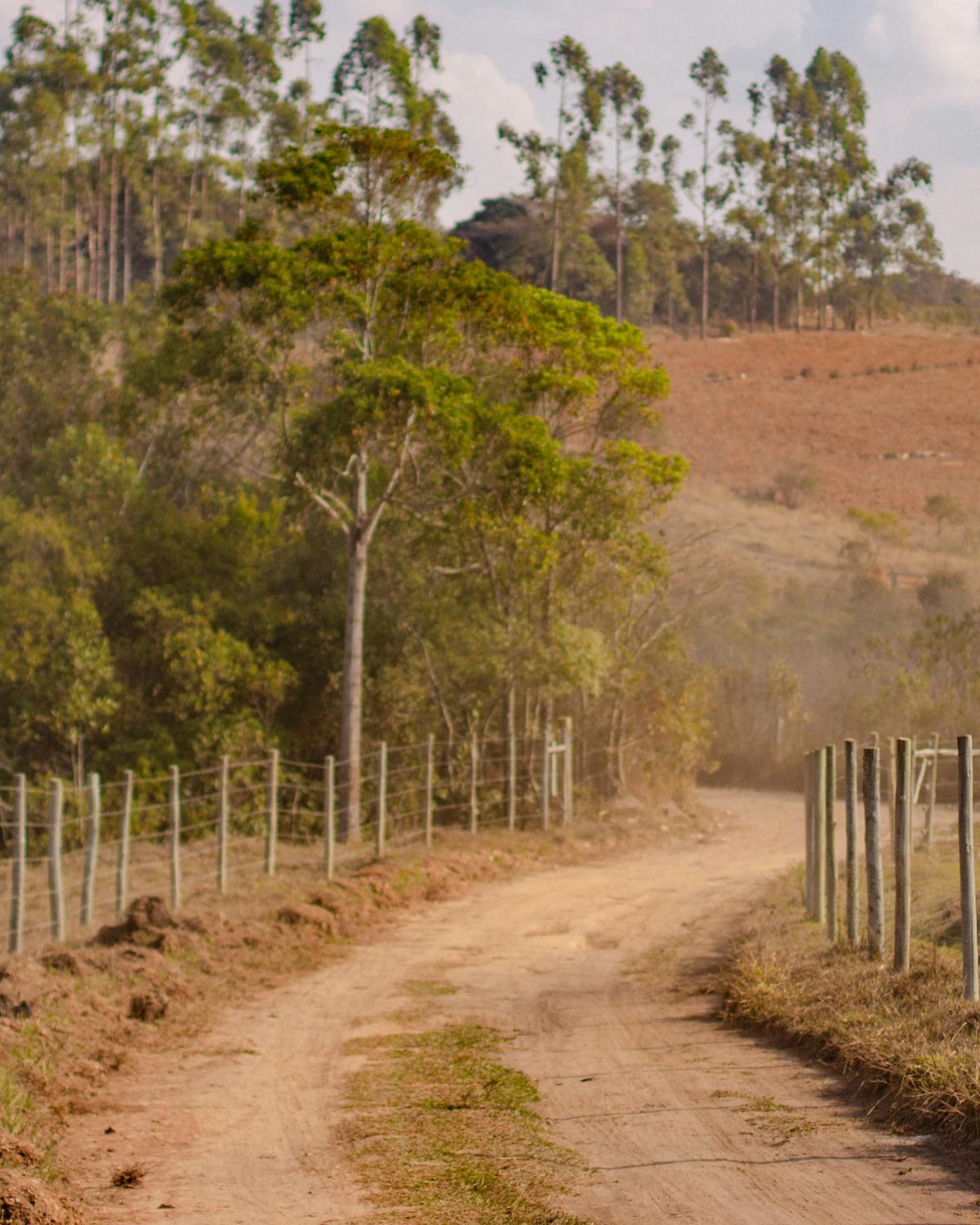
Electric fencing has become one of the most effective security and wildlife management solutions in Kenya. From private farms in Narok to wildlife conservancies in Laikipia and residential properties in Nairobi, electric fences help prevent intrusion, reduce human-wildlife conflict, and improve perimeter security.
However, installing an electric fence that affects communities, wildlife habitats, or migration corridors isn’t just a technical project. It’s also a social, environmental, and legal responsibility. In Kenya, public participation before implementing such projects is not optional—it’s essential.
When electric fencing projects are planned without involving local residents, landowners, conservation groups, and county authorities, the consequences can be severe. Communities may lose access to grazing land, wildlife migration routes may be blocked, and conflicts may emerge between investors and residents.
That’s why public participation plays a critical role in ensuring that electric fencing projects are sustainable, lawful, and beneficial to everyone involved.
Electric Fences Kenya provides professional electric fence design, supply, installation, and consultation services across Kenya for homes, farms, conservancies, wildlife zones, and commercial properties.
Contact Electric Fences Kenya
Website: Electric Fences Africa
Website: Electric Fences Kenya
Phone: +254 722 708034
Email: info@electricfences.co.ke
Understanding Electric Fencing in Kenya
Electric fencing systems are widely used in Kenya for several purposes. These include:
- Securing residential properties
- Protecting livestock farms
- Managing wildlife conservancies
- Preventing human-wildlife conflict
- Protecting agricultural investments
- Securing industrial and commercial facilities
Modern electric fencing systems use energizers that send controlled electric pulses through fence wires. When touched, the fence delivers a non-lethal shock that deters intrusion.
In wildlife-sensitive regions such as Kajiado, Narok, Tsavo, and Laikipia, electric fencing is commonly used to separate wildlife from farms and settlements. While these systems can significantly reduce crop destruction and attacks by wild animals, poorly planned fencing projects can also create environmental and social problems.
For example, blocking an elephant migration route may force animals into villages, increasing conflict instead of reducing it. Similarly, fencing communal grazing areas without consulting local communities can trigger disputes that last for years.
This is why public participation must happen before construction begins.
Why Public Participation Matters Before Electric Fence Installation
Building Community Trust
Public participation creates transparency. When communities understand why a fence is being installed and how it will affect them, they’re more likely to support the project.
In many rural parts of Kenya, land ownership and grazing rights are closely linked to culture and tradition. Ignoring community voices can quickly create mistrust.
Community meetings allow project developers to:
- Explain the purpose of the fence
- Discuss environmental impacts
- Address concerns
- Adjust project plans
- Build long-term cooperation
Without trust, even technically sound fencing projects may fail.
Preventing Land and Boundary Conflicts
Land disputes are common in Kenya, especially in rapidly developing areas such as Kitengela, Kajiado, and Laikipia.
Public participation helps clarify:
- Property boundaries
- Community access roads
- Grazing zones
- Shared water points
- Wildlife corridors
Consulting local stakeholders before construction helps avoid legal battles and project delays.
Protecting Wildlife Corridors
Kenya is internationally recognized for its wildlife heritage. Many animals migrate seasonally between parks, conservancies, and grazing lands.
Improper fencing can block these migration routes and threaten biodiversity.
Public participation involving:
- Kenya Wildlife Service (KWS)
- Environmental experts
- Conservation NGOs
- Local communities
helps ensure that fence placement minimizes ecological disruption.
Electric Fences Kenya works closely with clients to ensure fencing projects comply with conservation best practices and wildlife management requirements.
Contact Electric Fences Kenya
Website: Electric Fences Africa
Phone: +254 722 708034
Email: info@electricfences.co.ke
Kenyan Laws Governing Public Participation and Electric Fencing
Kenya has strong legal frameworks that support public participation in development projects.
Constitution of Kenya 2010
The Constitution of Kenya recognizes public participation as a national value under Article 10.
This means government agencies, developers, and institutions must involve citizens in decisions that affect them.
Any major fencing project affecting communities or ecosystems may require stakeholder consultation.
Environmental Management and Coordination Act (EMCA)
The Environmental Management and Coordination Act (EMCA) requires Environmental Impact Assessments (EIAs) for projects that may significantly affect the environment.
Electric fencing projects near:
- Wildlife habitats
- Forests
- Wetlands
- Conservancies
- Community land
may require environmental review and public consultation.
The National Environment Management Authority (NEMA) oversees this process.
For more information, visit:
NEMA Kenya
Wildlife Conservation and Management Act
The Wildlife Conservation and Management Act protects wildlife habitats and migration routes.
Projects interfering with wildlife movement may require approval from the Kenya Wildlife Service (KWS).
County Government Regulations
County governments also regulate land use, environmental management, and public development projects.
Counties such as Narok, Kajiado, Laikipia, and Taita Taveta often require stakeholder consultations before approving large fencing projects.
Best Industry Practices for Electric Fence Projects in Kenya
Professional electric fencing companies follow established best practices to ensure projects remain safe, legal, and environmentally responsible.
These best practices include:
Conducting Environmental Assessments
Before installation, experts assess:
- Wildlife movement
- Water access
- Vegetation impact
- Community access routes
- Soil conditions
Community Consultation Meetings
Stakeholder engagement meetings help identify concerns early.
Communities often provide valuable local knowledge about:
- Seasonal migration patterns
- Flood zones
- Cultural sites
- Livestock routes
Wildlife-Friendly Fence Design
Certain fencing methods reduce wildlife harm. Examples include:
- Raised fence sections
- Wildlife crossing zones
- Solar-powered low-impact systems
- Controlled access gates
Proper Signage and Safety Standards
Electric fences must include warning signs and comply with safety regulations.
Long-Term Maintenance Plans
Poor maintenance can create hazards for both humans and animals.
Professional maintenance ensures fences remain safe and effective.
Electric Fences Kenya offers environmentally responsible electric fence installation services tailored for wildlife areas, farms, and community-sensitive projects across Kenya.
Contact Electric Fences Kenya
Website: Electric Fences Kenya
Phone: +254 722 708034
Email: info@electricfences.co.ke
Environmental and Social Impacts of Poorly Planned Electric Fences
Poorly planned electric fencing projects can create serious long-term consequences.
Disruption of Wildlife Migration
Blocking migration routes can lead to:
- Animal deaths
- Habitat fragmentation
- Increased conflict with humans
- Reduced biodiversity
Community Conflict
Communities may oppose projects that:
- Restrict grazing
- Block roads
- Affect water access
- Ignore local consultation
Legal Challenges
Projects lacking proper approvals may face:
- Court injunctions
- Fines
- NEMA penalties
- Demolition orders
Economic Losses
Poor planning can lead to costly redesigns and project delays.
In some cases, fences may need to be removed completely.
10 Real-Life Case Studies from Kenya
1. Narok Maasai Mara Wildlife Corridor
In Narok County, rapid fencing around private farms near the Maasai Mara disrupted traditional wildlife migration routes.
Conservation groups and local communities raised concerns about reduced wildlife movement and increased human-wildlife conflict.
Public participation meetings later helped redesign sections of the fencing to include wildlife corridors.
2. Kajiado Community Grazing Land
A fencing project in Kajiado blocked access to communal grazing land used by pastoralist communities.
After protests from residents, local leaders organized stakeholder consultations.
The project was revised to include controlled livestock access points.
3. Nanyuki Conservancy Perimeter
A conservancy near Nanyuki conducted extensive public participation before installing perimeter fencing.
Local residents, wildlife experts, and county officials contributed ideas that improved the project’s environmental sustainability.
The project became a model for responsible fencing in wildlife zones.
4. Nyeri Farm Boundary Conflict
In Nyeri County, neighboring landowners disputed the placement of an electric fence.
Because public consultation and land verification were skipped, the conflict escalated into legal action.
The case highlighted the importance of stakeholder engagement before construction.
5. Laikipia Ranch Security Fence
A large ranch in Laikipia installed fencing to prevent livestock theft and wildlife intrusion.
Environmental experts advised adjustments to protect seasonal wildlife movement.
Public participation reduced conflict between ranch owners and nearby communities.
Electric Fences Kenya provides professional consultation services for ranches, conservancies, and agricultural fencing projects in Kenya.
Contact Electric Fences Kenya
Website: Electric Fences Africa
Phone: +254 722 708034
Email: info@electricfences.co.ke
6. Amboseli Elephant Migration Route
Near Amboseli National Park, fencing expansion threatened elephant migration corridors.
Public engagement involving conservation groups helped redesign sections of the project.
Wildlife-friendly access zones were introduced to minimize environmental disruption.
7. Tsavo Community Fence Project
Communities near Tsavo faced repeated crop destruction from elephants.
A collaborative fencing project involving local residents, conservation groups, and county authorities achieved better long-term results.
Because communities participated in decision-making, support for the project remained strong.
8. Nakuru Wildlife Protection Fence
A wildlife protection fence near Nakuru initially caused concern among residents who feared losing access to grazing areas.
Stakeholder meetings clarified project goals and reduced tensions.
9. Isiolo Community Conservancy
In Isiolo, public participation helped identify important livestock routes before fence construction began.
Project planners modified the fence design to preserve access pathways.
10. Kitengela Urban Expansion Fence Conflict
Rapid urban growth in Kitengela led to fencing disputes between developers and long-term residents.
County authorities intervened and required additional community consultations.
The case demonstrated the importance of proper planning in expanding urban areas.
Steps for Conducting Effective Public Participation Before Fence Installation
Successful public participation requires structure and transparency.
Step 1: Identify Stakeholders
Stakeholders may include:
- Local communities
- Landowners
- County governments
- KWS
- NEMA
- Farmers
- Conservation organizations
Step 2: Hold Public Meetings
Public forums allow residents to express concerns and ask questions.
Step 3: Conduct Environmental Assessments
Environmental experts should evaluate potential impacts on:
- Wildlife
- Water sources
- Vegetation
- Human activity
Step 4: Document Community Feedback
All concerns and recommendations should be recorded and addressed.
Step 5: Revise Project Plans
Developers should modify plans where necessary to reduce conflict.
Step 6: Maintain Ongoing Engagement
Communication shouldn’t stop after construction begins.
Regular engagement helps build trust and long-term cooperation.
The Role of Environmental Impact Assessments (EIA)
Environmental Impact Assessments are essential for large-scale fencing projects.
An EIA evaluates:
- Environmental risks
- Wildlife impacts
- Community effects
- Mitigation strategies
NEMA may require an EIA license before approving certain projects.
A proper EIA process includes public participation and stakeholder consultation.
Ignoring EIA requirements can result in legal penalties.
Benefits of Community Engagement in Electric Fence Projects
Projects that involve communities early often experience better outcomes.
Reduced Conflict
Stakeholder engagement reduces misunderstandings and disputes.
Faster Project Approval
Projects with community support move more smoothly through approval processes.
Better Environmental Outcomes
Communities often possess valuable environmental knowledge.
Stronger Long-Term Sustainability
When residents feel included, they’re more likely to support fence maintenance and security.
Improved Reputation
Developers and contractors who prioritize transparency build stronger public trust.
Electric Fences Kenya promotes responsible electric fencing solutions that balance security, environmental conservation, and community interests.
Contact Electric Fences Kenya
Website: Electric Fences Kenya
Phone: +254 722 708034
Email: info@electricfences.co.ke
Common Mistakes to Avoid During Electric Fence Projects
Many fencing projects face challenges because of avoidable mistakes.
Ignoring Community Concerns
Failing to consult residents can trigger resistance and delays.
Skipping Environmental Assessments
Ignoring wildlife impacts may violate Kenyan law.
Poor Fence Design
Improper fence placement can increase human-wildlife conflict.
Lack of Professional Expertise
Unqualified installers may create unsafe systems.
Inadequate Maintenance
Broken fences can become hazardous and ineffective.
Frequently Asked Questions
1. Is public participation legally required for electric fencing projects in Kenya?
Yes. Projects affecting communities, wildlife habitats, or the environment may require public participation under Kenyan law, including the Constitution of Kenya and EMCA regulations.
2. What is the purpose of public participation in fencing projects?
Public participation helps identify community concerns, environmental impacts, and potential conflicts before construction begins.
3. Do all electric fence projects require an Environmental Impact Assessment?
Not all projects require a full EIA. However, projects near wildlife habitats, conservancies, forests, or community land may require environmental review.
4. Which government agencies regulate fencing projects in Kenya?
Key agencies include:
- NEMA
- Kenya Wildlife Service (KWS)
- County Governments
- Ministry of Lands
5. How can electric fences affect wildlife migration?
Improper fencing may block migration routes, fragment habitats, and increase human-wildlife conflict.
6. What are wildlife-friendly fencing solutions?
Wildlife-friendly designs may include:
- Controlled access gaps
- Raised fence sections
- Solar-powered low-impact systems
- Wildlife crossing corridors
7. Why is community consultation important in pastoral areas?
Pastoral communities rely on shared grazing land and migration routes for livestock. Consultation helps avoid disrupting livelihoods.
8. Can electric fencing reduce human-wildlife conflict?
Yes. Properly planned fencing can significantly reduce crop destruction, livestock attacks, and property damage.
Conclusion
Public participation is one of the most important parts of any electric fencing project that affects communities, wildlife habitats, or migration routes in Kenya.
When communities, conservation experts, government agencies, and developers work together, fencing projects become safer, more sustainable, and more successful.
Kenya’s environmental laws and conservation policies emphasize the importance of transparency, environmental protection, and stakeholder engagement. Ignoring these principles can lead to conflict, legal challenges, and environmental damage.
On the other hand, responsible public participation creates stronger relationships, protects wildlife, safeguards livelihoods, and ensures long-term project success.
Whether you’re planning a farm fence in Narok, a conservancy perimeter in Laikipia, or a residential electric fence near wildlife areas in Kajiado, involving stakeholders early is not just good practice—it’s essential.
Electric Fences Kenya offers professional electric fence consultation, environmental-sensitive fence planning, installation, repair, and maintenance services across Kenya.
Contact Electric Fences Kenya Today
Website: Electric Fences Africa
Website: Electric Fences Kenya
Phone: +254 722 708034
Email: info@electricfences.co.ke
Final Thoughts
Public participation is not a barrier to development. Instead, it’s a powerful tool that helps create balanced solutions for people, wildlife, and the environment.
As Kenya continues to grow, sustainable electric fencing practices will remain critical in protecting communities while preserving the country’s rich natural heritage.
Choosing experienced professionals who understand both security and environmental responsibility can make all the difference.